
Two years have passed since the wave of “generative madness” first hit the world. In 2024, we were all playing with prompts; in 2025, we were cautiously deploying chatbots. Now, in 2026, as I often say, time has finally put the dots over the ‘i’.
The hype is over. The economy of efficiency has begun.
In today’s IT market, winners aren’t those using the trendiest libraries, but those who understand a fundamental truth: technology is not the goal—it is a means to slash costs or capture market share. Let’s break down the three fundamental shifts of this year that determine whether your product will survive in this new reality.
1. From “Tools” to “Agents”: The End of Manual Management
In 2026, we stopped viewing AI as a glorified search engine or a sophisticated text editor. We have entered the era of AI Agents.
Unlike simple chatbots, an agent possesses agency. It is integrated into your internal systems, has API access, and—most importantly—is empowered to make decisions.
- Yesterday: You asked an AI to write an email to a client.
- Today: The agent analyzes the CRM, identifies a payment delay, reviews the communication history, crafts a personalized offer, sends it, and notifies you only of the final result.
The Question for Business: How ready are your current processes to delegate not just functions, but actual responsibility to AI?

2. Security as a “Value Proposition,” Not an Expense
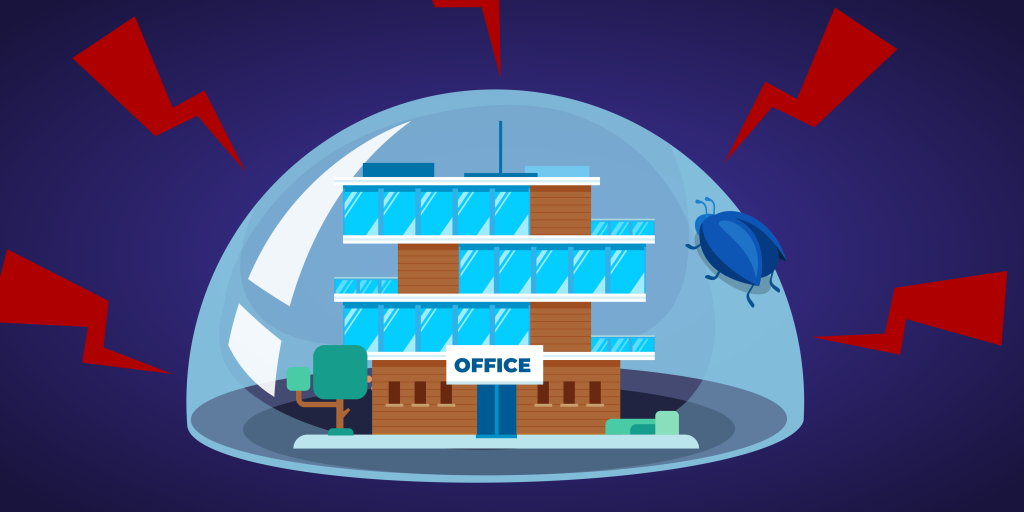
With the rise of autonomous systems, cyberattacks have also become automated. In 2026, cybersecurity finally transitioned from a “support function” to a “core competitive advantage.”
Today’s clients don’t choose the vendor with the most features; they choose the one they can trust with their data. At VRG Soft, we see that implementing Zero Trust architecture and AI-driven security monitoring during the early stages of development saves companies millions in potential fines and catastrophic reputational damage.
3. Pragmatic ROI: What is the Market Actually Paying For?
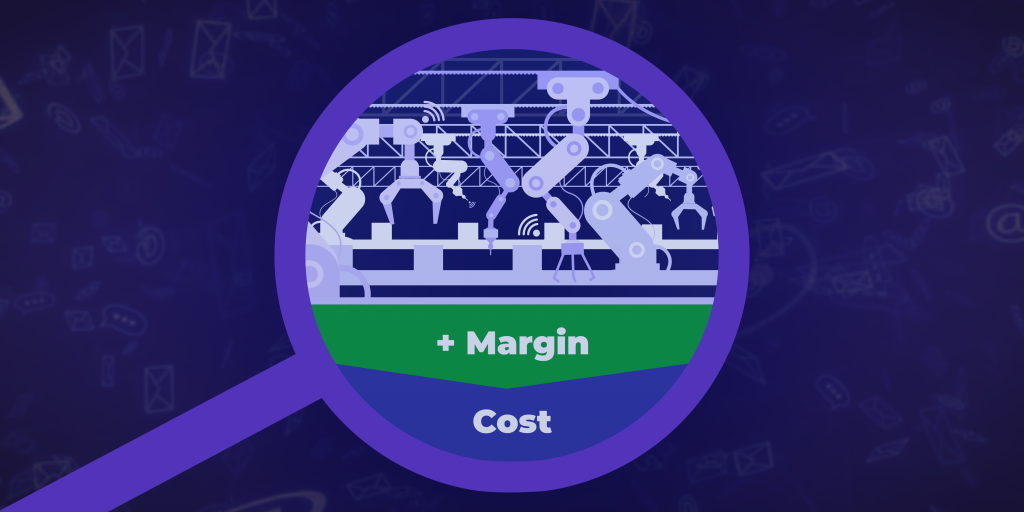
Investors no longer care about “vanity metrics” or audience growth unless they are backed by solid unit economics. In 2026, the key metric is AI-Driven Margin Expansion—the measurable extent to which technology has increased your profitability.
| 2024–2025 Trend | 2026 Reality |
| Content creation for the sake of content | Hyper-personalization based on real-time data |
| Massive “Black Box” LLMs for every task | Specialized Small Language Models (SLMs) for specific niches |
| Outsourcing to “feature factories” | Deep partnerships with tech teams who understand your business domain |
The Dust Has Settled
The market is currently purging “empty” startups. Those left standing are building on a foundation of reliable architecture and a genuine understanding of user experience. The technology of 2026 requires more than just code; it requires strategic vision.
If you feel your current IT strategy is stalling, or you need to transform “experimental AI” into a high-performance business tool—it’s time for a different conversation.
Ready to integrate agentic systems into your business this quarter?
At VRG Soft, we have developed a comprehensive checklist to audit your infrastructure’s readiness for true AI transformation.