
In 2026, waiting in line is more than just an inconvenience—it’s a direct financial loss. Research shows that over 75% of customers will switch to a competitor if they encounter a line of more than five people. For offline retail, medical centers, and service-based companies, automating customer management has become a matter of survival.
The central tool in this transformation is the Self-Service Kiosk. Let’s break down why this is an investment that pays off faster than it seems, and what “pitfalls” you might encounter during development.

Why Your Business Can No Longer Ignore Self-Service
A kiosk is not just a tablet on a stand. It is a full-fledged employee that never gets sick, never makes mistakes, and always remembers to offer an upsell.
Key Advantages:
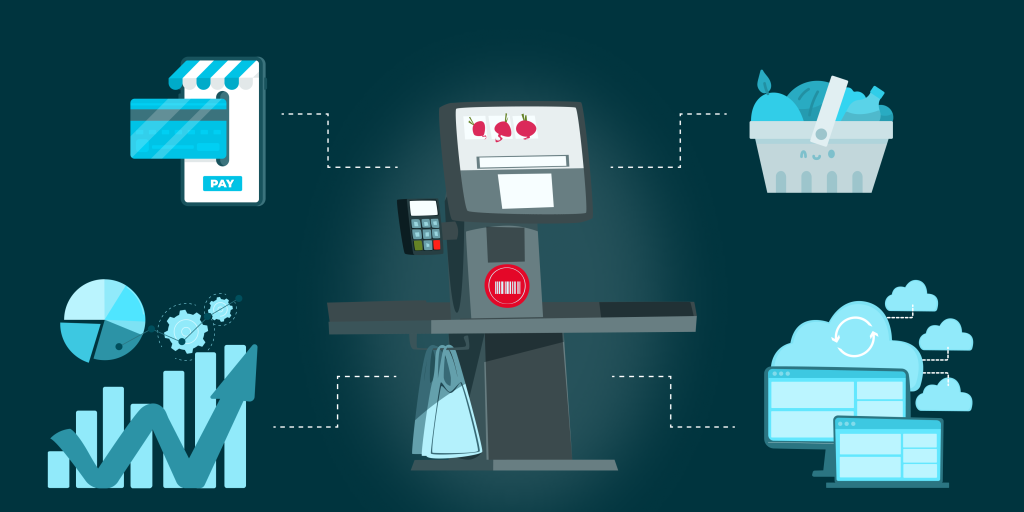
- Increased Throughput: A single kiosk replaces 1.5–2 full-time administrative or cashier positions, reducing wait times by 30-40%.
- Higher Average Check: Kiosk algorithms methodically suggest cross-sell and up-sell items (e.g., related lab tests in a clinic or accessories in retail). On average, the transaction value increases by 15–20%.
- Data Collection (Big Data): You gain crystal-clear analytics: what customers are looking for, at what point they leave, and how often they return.
- Reduced Operational Costs: You can reallocate staff to more complex tasks where human intelligence and empathy are truly required.
The Flip Side: Development Challenges
Creating a self-service system is about more than just a pretty interface. It requires deep integration into the existing business ecosystem.
What companies face during development:
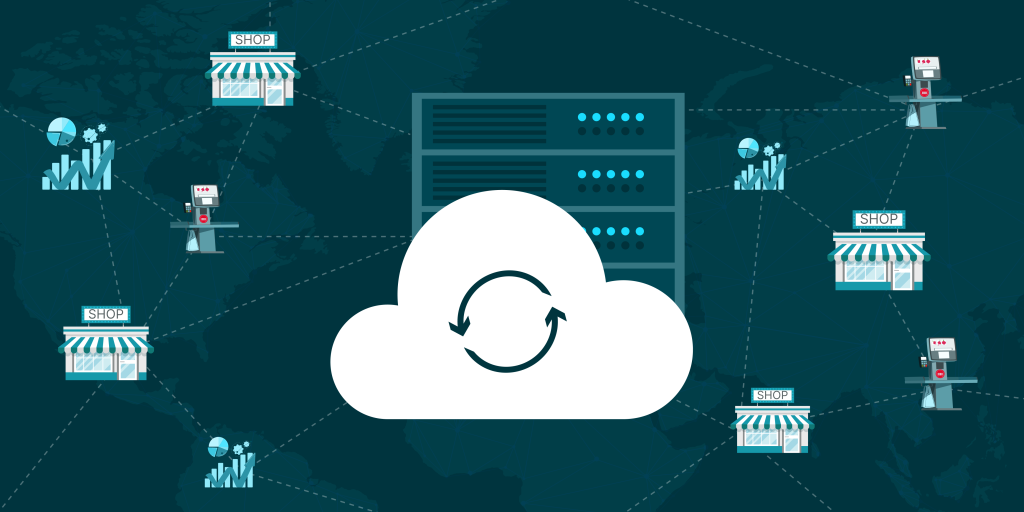
- Real-Time Synchronization: The kiosk must instantly update inventory levels or doctor availability. A 5-second lag can lead to double-booking or out-of-stock errors.
- Fault Tolerance: What happens if the internet goes down? The system must have a robust offline mode or rapid recovery mechanisms.
- Payment Security: Integrating with acquiring banks and complying with global standards (like PCI DSS) is a critical and complex stage.
- UX for Everyone: Your kiosk must be usable by both a tech-savvy teenager and a senior citizen. A complex interface will defeat the entire purpose of automation.
Pros and Cons: An Honest Comparison
| Pros | Cons |
| Elimination of “human error” and fatigue. | High initial hardware investment. |
| 24/7 operation without breaks. | Requirement for regular technical maintenance. |
| Increased loyalty among Millennials and Gen Z. | Risk of resistance from conservative staff members. |
How VRG Soft Helps Build the Systems of the Future
At VRG Soft, we don’t just write code—we build tools to scale your business. Our approach to self-service system development is built on three pillars:
- Deep Integration (ERP/CRM): We seamlessly connect kiosks to your internal management systems, ensuring data accuracy 24/7.
- Custom UX/UI Design: We engineer interfaces that are intuitive from the very first second, minimizing the time a customer spends at the terminal.
- Security and Scalability: We design an architecture that allows you to easily add 100 more kiosks across the country without rebuilding the system from scratch.
Ready to eliminate queues and boost your bottom line?
The VRG Soft team will audit your business processes and propose the optimal automation solution. Let’s discuss your project.