
The mental health market is undergoing a digital revolution. People are no longer afraid to seek help from psychologists, but they want to do it conveniently, safely, and remotely. For businesses, this opens up massive opportunities, but for developers, it is a minefield.
Creating an “Uber for psychologists” is a task that only looks simple on the surface. At VRG Soft, we know: when it comes to the human psyche, the cost of a technical error is far too high.
In this article, we will break down the key challenges in developing a mental health support platform and how we overcome them.

1. Data Security: No Room for Error
Unlike E-commerce or food delivery, a data breach in MentalTech isn’t just a reputational risk; it’s a legal catastrophe. Mental health data falls under the category of highly sensitive information (PHI – Protected Health Information).
The Challenges:
- Compliance: The platform must adhere to strict standards: HIPAA (for the US), GDPR (for Europe), and local data protection laws.
- Encryption: All chats, video calls, and session recordings must be encrypted using End-to-End (E2EE) protocols.
How VRG Soft solves this:
We implement a “Security by Design” architecture from day one. We use modern AES-256 encryption standards and configure secure servers to ensure your platform passes any security audit.
2. Video Stability (Telehealth)
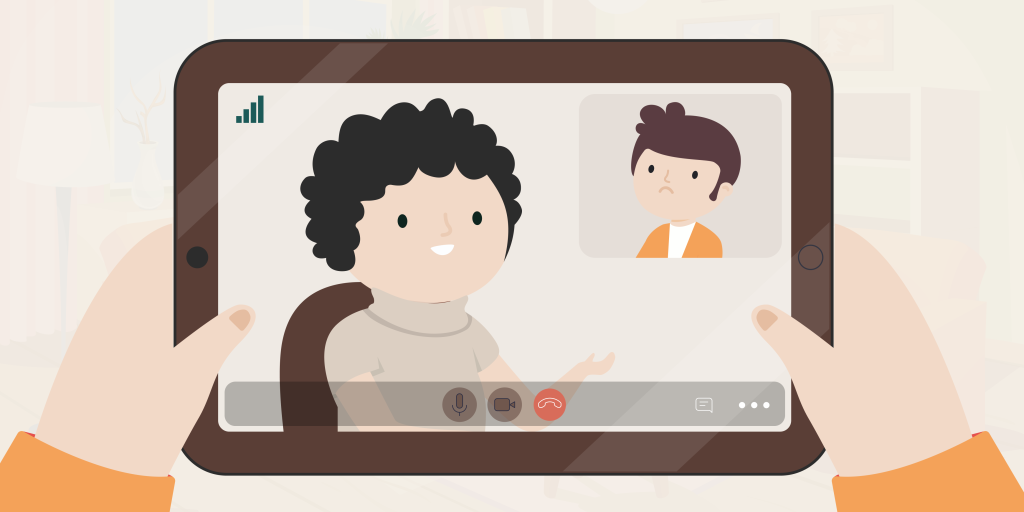
The foundation of any therapy platform is live dialogue. If the video freezes the moment a patient is sharing a traumatic experience, trust in the platform drops to zero. Using off-the-shelf solutions like Zoom isn’t always viable due to privacy concerns and integration limits.
The Challenges:
- Ensuring high-quality connection even with poor user internet speeds.
- Audio and video synchronization with zero latency.
- Protecting the video stream from interception.
Our Solution:
We leverage WebRTC technologies to build custom video calling solutions directly within the app. This ensures a peer-to-peer connection (device-to-device), minimizing latency and eliminating the need to store the stream on a server.
3. UX/UI Design: Serenity in Every Click
Psychological help doesn’t begin with the conversation; it begins the moment the app is opened. A user currently experiencing stress or depression shouldn’t have to fight the interface.
The Challenges:
- Color Psychology: Aggressive colors or a cluttered interface can trigger anxiety.
- User Flow: Booking an appointment should take minimal actions. The “Emergency Help” button must always be accessible.
VRG Soft Approach:
Our designers create interfaces based on Calm Technology principles. We use soft palettes, intuitive navigation, and conduct UX testing to ensure the app soothes rather than irritates.
4. Matching Algorithms
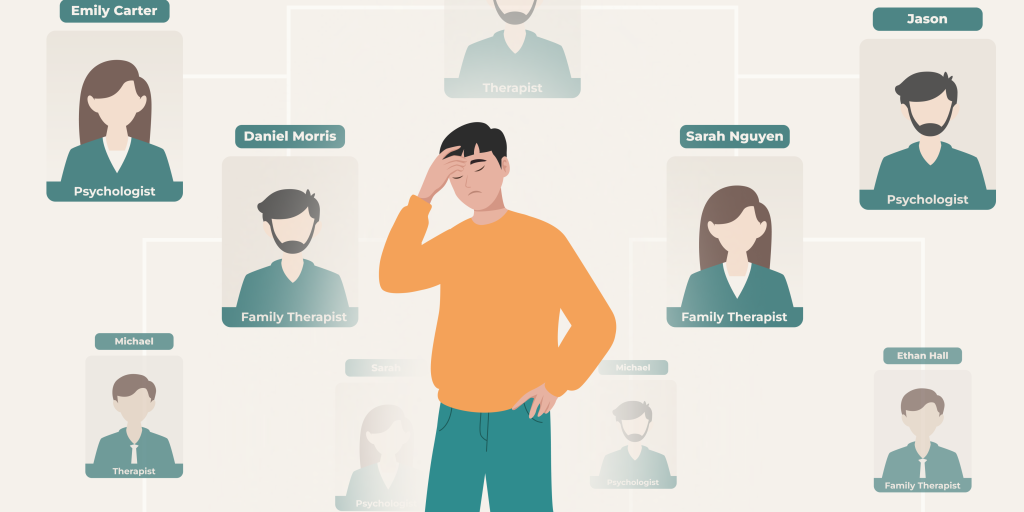
Finding the “right” psychologist is hard. The platform needs to take this burden off the user. A simple directory of doctors is no longer enough.
The Challenges:
- Developing an algorithm that considers multiple factors: the doctor’s specialization, therapy methods (CBT, Gestalt, etc.), budget, schedule, and even cultural nuances.
What We Offer:
We can implement smart filters and even AI assistants that, based on an initial survey, suggest the most suitable specialists to the user. This increases the likelihood of successful therapy and boosts your Retention Rate.
Why VRG Soft is Your Partner in Building MentalTech
Developing a platform for psychologists acts as a balance between empathy for the user and strict technological discipline. At VRG Soft, we understand not just the code, but the business logic behind these products.
We offer:
- Full Cycle Development: From prototype (MVP) to a scalable system.
- Mobile & Web Development: Native apps (iOS, Android) and responsive web platforms.
- Integrations: Connecting payment gateways, calendars, and notification systems.
- Post-Launch Support: We don’t just hand over the project; we help it evolve.
If you have an idea for a project that makes psychological help more accessible, let’s discuss how to bring it to life with technical flawlessness.