
In 2026, design is no longer just “packaging.” In a market saturated with AI-generated content and hyper-competition, your interface is either your strongest conversion tool or a barrier driving potential clients toward your competitors.
At VRG Soft, we’ve analyzed the shifting landscape of user behavior. If you are planning to scale or launch a product this year, your visual and functional stack must meet the market’s new expectations.
Here are the 4 key design trends of 2026 that directly impact LTV, Retention, and Customer Acquisition Cost (CAC).
1. Generative UI: The End of Static Pages
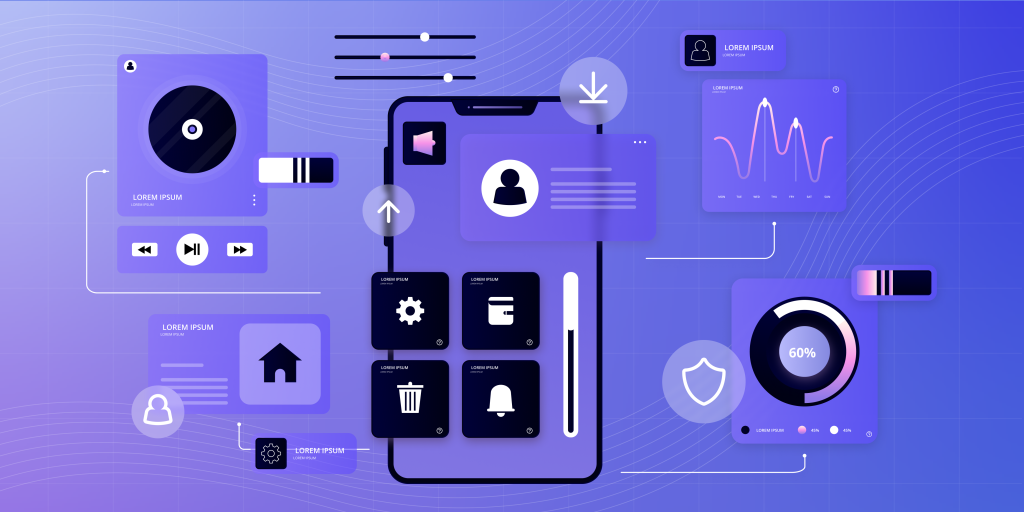
Static landing pages are now a drain on marketing budgets. In 2026, leads expect a solution that adapts to them in real-time.
- The Trend: Using generative UI to create dynamic interfaces. The layout, messaging, and features change based on the user’s traffic source, industry, or past behavior.
- Why it generates leads: A CTO sees technical documentation and API integrations first, while a CEO sees ROI dashboards. By showing the user exactly what they need, you remove friction.
- The VRG Soft Edge: We integrate AI layers into your frontend to ensure your product speaks personally to every lead.
2. Emotional AI & Micro-Interactions

Users are tired of “robotic” and cold digital experiences. 2026 is the year of high-empathy design.
- The Trend: Interfaces that respond to user pacing and sentiment. Subtle micro-animations and adaptive color palettes that shift based on the time of day or interaction intensity.
- Why it works: Trust is the primary currency in B2B and Enterprise. An interface that feels “human” and responsive builds an emotional connection that hard-selling never will.
3. Spatial Awareness: Moving Beyond the Flat Screen
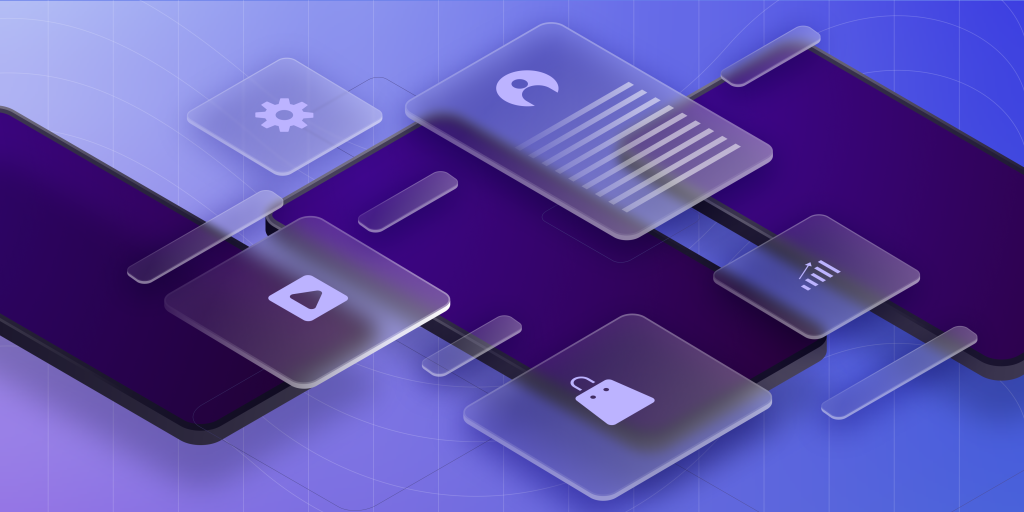
As wearable tech and AR/VR devices become mainstream, “Spatial Design” has migrated to the web and mobile apps.
- The Trend: 3D depth, advanced glassmorphism, and layering that provides a sense of physical space.
- Business Value: This positions your brand as a market leader. If your product looks like “the future,” leads subconsciously assign a higher value to your services. It signals that your company is ready for the next era of computing.
4. Frictionless Accessibility (A11y 3.0)
In 2026, accessibility is no longer a “nice-to-have” feature; it’s a legal and financial strategy.
- The Trend: Voice-first navigation, neuro-divergent friendly layouts, and zero-latency interactions.
- Why it matters for your ROI: By making your product usable for everyone, you widen your sales funnel. Complex, non-inclusive interfaces “leak” up to 30% of potential revenue simply because the path to purchase was too difficult.
Is Your Design Ready for 2026?
| The Problem | The 2026 Design Solution | Expected Business Impact |
| High Bounce Rate | Generative UI (Relevant content) | ~15% Decrease in Bounce Rate |
| Low Brand Trust | Emotional Design (Empathetic UI) | Higher Retention & Referral Rates |
| Complex Onboarding | Spatial UX (Intuitive Navigation) | Shorter Sales Cycle |
Engineering Trends into Revenue
The design trends of 2026 require a deep technical foundation. It’s not just about a Figma mockup; it’s about data architecture and high-end frontend engineering.
At VRG Soft, we specialize in bridging the gap between cutting-edge aesthetics and business KPIs. We don’t just build apps; we build high-performance assets that capture market share.
Don’t wait for your competitors to out-design you. Let’s audit your current interface and identify your growth opportunities for the coming year.