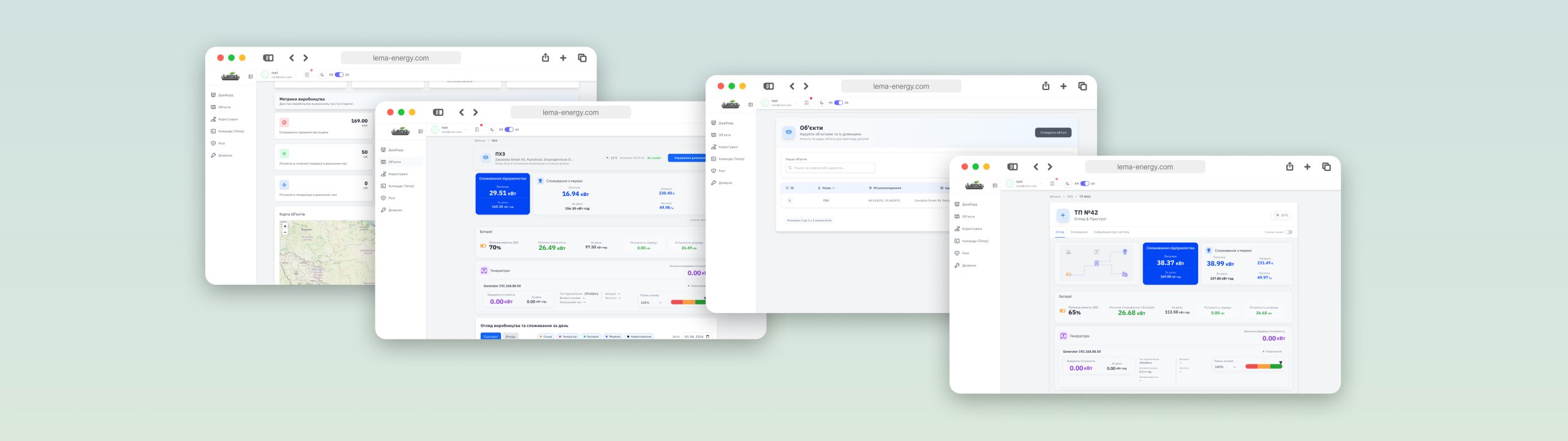
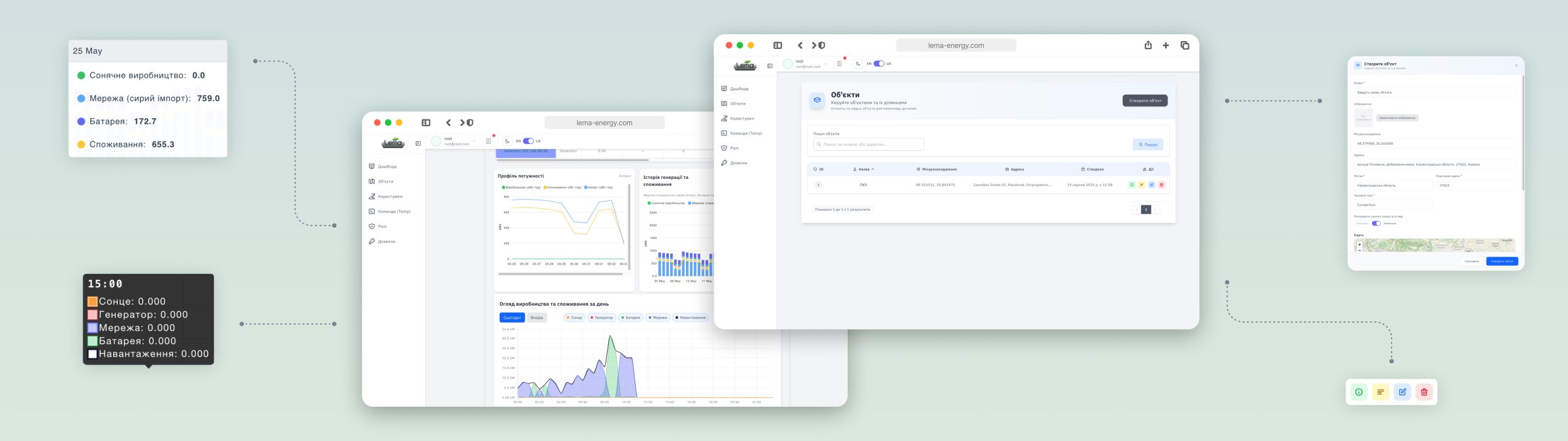
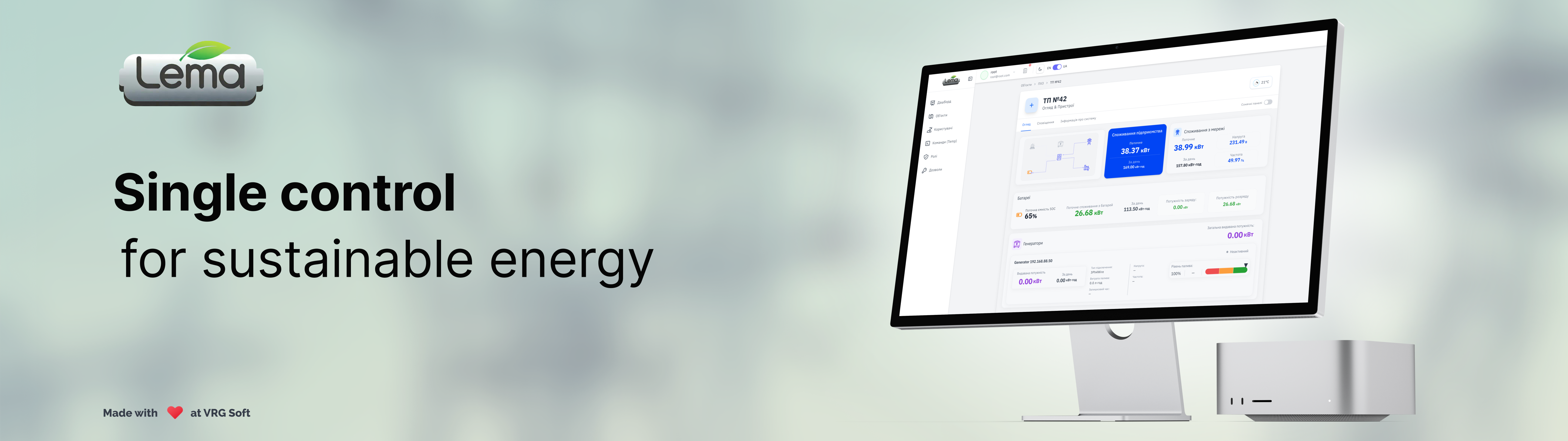
Our team developed an enterprise-grade, fault-tolerant monitoring system designed to aggregate telemetry from distributed energy assets (solar inverters, diesel generators, and battery storage systems) into a single, centralized control center. The platform provides real-time visibility, unified data visualization, and instant anomaly notifications for critical infrastructure across multiple geographic locations.
The Challenge:
• Hardware Fragmentation: Synchronizing diverse equipment like Deye inverters and ComAp controllers, each using distinct Modbus register maps.
• Security & Connectivity: Ensuring secure data transmission over remote edge networks without exposing industrial hardware to the public internet.
• Complex Data Processing: Converting low-level 16-bit register pairs into 32-bit variables and applying precision scaling to raw telemetry at the edge.
Our Solution:
We engineered Grid Scope Systems, a multi-tiered IoT ecosystem bridging industrial hardware with modern web architecture.
• Edge Intelligence: Deployed localized servers running Node-RED for automated Modbus polling with optimized windows for energy, battery, and load metrics.
• Secure Pipeline: Payload delivery is isolated within encrypted VPN tunnels (WireGuard/OpenVPN) and wrapped in HTTPS.
• Automation Engine: A high-performance Laravel backend processes sub-minute streams, automates log compression, and triggers real-time data backfills.
• Advanced UI: An adaptive dashboard built with Vue 3 featuring geographical asset tracking via Leaflet and live performance analytics via ApexCharts.
• Instant Alerts: Automated Telegram bot integration dispatches critical fault exceptions and system warnings to administrators immediately.
The Result:
The platform transformed fragmented industrial data into actionable intelligence, minimizing equipment downtime through proactive alerts and optimized maintenance logs. The architecture includes a fully documented REST API, ensuring the system is ready for future mobile application integration.